

 Emissions
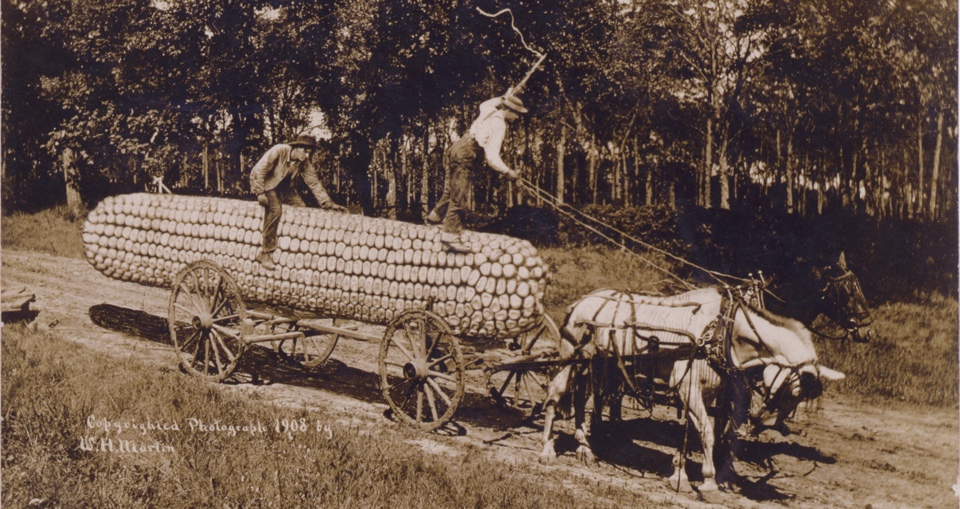
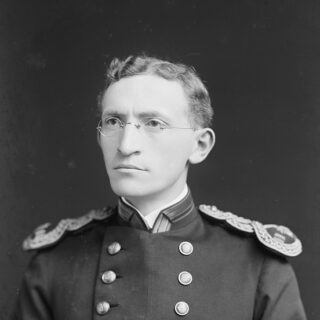 Dr Joseph GoldbergerPellagra — a terrible disease characterised by the four Ds: dermatitis, diarrhoea, dementia and death — was first noticed in northern Spain in 1735 and in Italy soon afterwards. Physicians had no idea what to do about it. They established that it was a new disease, and quickly worked out that it was something to do with maize and that it seemed to afflict only very poor people. In Italy, sharecroppers grew and ate maize at the expense of any vegetables. And in the southern US, workers in mill towns subsisted on ground maize imported from the midwest because all the local land was down to cotton.
The struggle to understand the causes of pellagra and how to cure and prevent it played out first in Italy and then in the United States, where 1906 saw a large outbreak in Alabama. Competing explanations were driven by large egos and expediency rather than evidence. That was true even after Dr Joseph Goldberger of the US Public Health Service proved that the disease was not contagious and that the deficiency could be quickly reversed with a proper daily diet or a tablespoon of dried yeast.
Notes
- Pellagra and Pellagrous Insanity During the Long Nineteenth Century, by David Gentilcore and Egidio Priani is available under open access
- Dana Landress recently published Famished for Freedom: Pellagra and Medical Clemency at the Mississippi State Penitentiary in the Journal of the History of Medicine and Allied Sciences.
- I consulted loads of other publications; let me know if you want a source for anything.
- Photograph of Joseph Goldberger from the Library of Congress.
- Here is the transcript.
